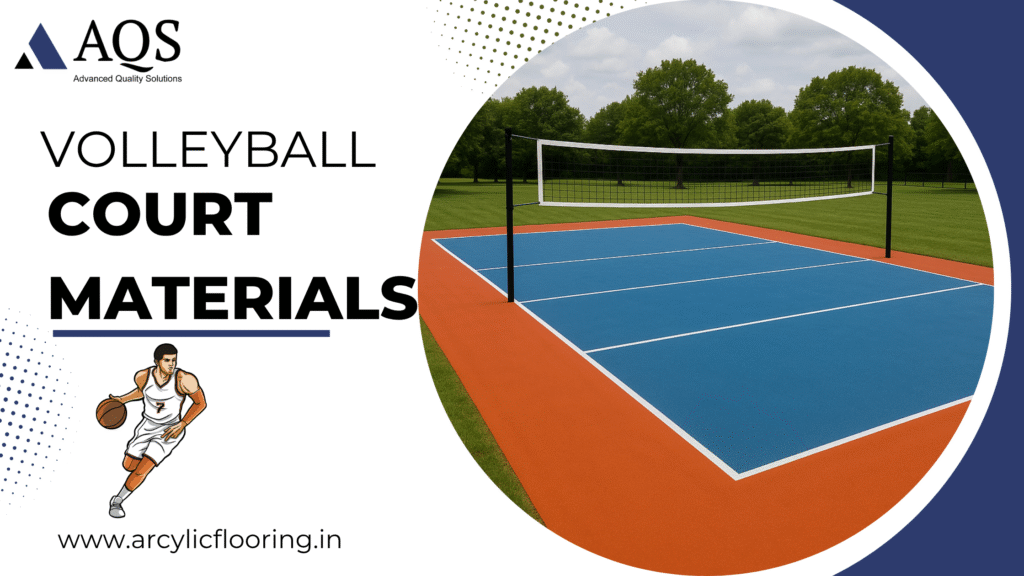
Volleyball courts demand specific flooring materials for optimal performance and player safety. Indian facilities face diverse requirements across schools, colleges, and professional venues. The right Volleyball Court Material cost choice directly impacts your budget and long-term maintenance expenses. Installation costs in India range from ₹50,000 to ₹8,00,000 depending on materials selected.
Table of contents
- Types of Volleyball Court Materials Available in India
- Detailed Cost Breakdown for Volleyball Court Installation
- Volleyball Court Material Cost Comparison Table
- Detailed Cost Components Table
- Regional Cost Variations in India
- Case Study: School Volleyball Court Installation in Gurgaon
- Annual Maintenance and Long-term Cost Implications
- Quality Standards and Certifications for Indian Courts
- Budget-Friendly Tips for Volleyball Court Installation
- Environmental Considerations and Sustainable Options
- Future Trends in Indian Volleyball Court Materials
- Conclusion
- Frequently Asked Questions
Types of Volleyball Court Materials Available in India
Wooden Flooring Systems
Wooden courts provide superior performance for professional volleyball tournaments. Indian manufacturers now offer multiple wooden options meeting international standards. Hardwood courts cost between ₹3,50,000 to ₹5,50,000 per court. These surfaces reduce player injuries and improve ball control significantly.
Wooden flooring requires specialized installation expertise in India. Professional installers charge additional ₹350,000 to ₹4,50,000 for proper installation. Maintenance demands regular polishing and moisture control annually.
Synthetic Materials and Rubber Flooring
Synthetic volleyball courts dominate India’s institutional sector currently. These materials cost ₹1,00,000 to ₹2,50,000 per court installation. Rubber surfaces provide excellent durability and weather resistance in Indian climates.
Upgrade Your Sports Court Today
Get premium synthetic acrylic flooring designed for durability, grip, and performance.
Get Free ConsultationSynthetic materials absorb impact effectively, protecting players’ joints. Installation typically completes within 3-5 days in most Indian cities. Maintenance requires basic cleaning and periodic resealing every 2-3 years.
Acrylic Coated Concrete Courts
Budget-conscious Indian facilities frequently choose acrylic-coated concrete options. These courts cost ₹75,000 to ₹1,50,000 for complete installation. Acrylic surfaces provide reasonable durability for training facilities.
Concrete base preparation costs ₹25,000 to ₹50,000 separately. Acrylic coating application requires expert handling for uniform finish. This option suits schools and small colleges across India effectively.
Portable and Temporary Court Solutions
Portable volleyball courts offer flexibility for temporary venues throughout India. These systems cost ₹2,00,000 to ₹4,00,000 per installation. Event organizers prefer portable solutions for tournament hosting.
Installation takes minimal time, typically 1-2 days for setup. These courts store easily during off-seasons or tournaments.
Detailed Cost Breakdown for Volleyball Court Installation
Base Preparation and Foundation Costs
Professional volleyball courts require proper base preparation in India. Foundation work costs ₹30,000 to ₹75,000 depending on site conditions. Uneven surfaces require leveling before material installation begins.
Proper drainage systems cost additional ₹15,000 to ₹40,000. Indian monsoon seasons demand excellent drainage to prevent water damage. Moisture barriers protect underlying structures from groundwater infiltration.
Material and Installation Labor Costs
Material costs comprise 60-70% of total project expenses typically. Installation labor charges vary by region and complexity. Delhi and Mumbai charge higher labor rates than tier-2 cities.
Professional installation teams require 5-10 days for completion. Skilled technicians ensure proper material alignment and finishing. Certification standards demand expert supervision throughout installation.
Finishing and Surface Treatment Costs
Line markings and surface finishing cost ₹10,000 to ₹30,000 additionally. Professional-grade markings follow international volleyball dimensions precisely. Finishing touches determine the court’s playing quality significantly.
Protective coatings add ₹5,000 to ₹20,000 to total expenses. UV-resistant treatments extend material lifespan in Indian sunlight. These protective layers maintain court appearance and functionality.
Volleyball Court Material Cost Comparison Table
| Material Type | Cost per Court | Installation Time | Durability | Maintenance | Best For |
| Wooden Flooring | ₹3,50,000 – ₹5,50,000 | 7-10 days | 15-20 years | High | Professional tournaments |
| Synthetic Rubber | ₹1,50,000 – ₹3,00,000 | 3-5 days | 8-12 years | Medium | Schools & colleges |
| Acrylic Concrete | ₹75,000 – ₹1,50,000 | 5-7 days | 5-8 years | Low | Budget facilities |
| Portable Systems | ₹2,00,000 – ₹4,00,000 | 1-2 days | 3-5 years | Minimal | Temporary events |
| PVC Tiles | ₹1,00,000 – ₹2,50,000 | 2-4 days | 6-10 years | Medium | Indoor courts |
Detailed Cost Components Table
| Cost Component | Low Estimate | High Estimate | Notes |
| Base Preparation | ₹30,000 | ₹75,000 | Includes leveling and drainage |
| Flooring Material | ₹50,000 | ₹3,00,000 | Depends on material selection |
| Installation Labor | ₹30,000 | ₹1,00,000 | Varies by region and expertise |
| Line Markings | ₹10,000 | ₹30,000 | Professional standards required |
| Protective Coating | ₹5,000 | ₹20,000 | UV and weather protection |
| Equipment Installation | ₹15,000 | ₹50,000 | Poles, nets, and boundaries |
| Total Estimated Cost | ₹1,40,000 | ₹5,75,000 | Complete court setup |
Regional Cost Variations in India
Metropolitan Cities Pricing
Delhi, Mumbai, and Bangalore charge premium rates for volleyball court installation. Metropolitan cities demand 20-30% higher labor costs than the national average. Professional standards in metros ensure better quality execution.
Material costs remain consistent across India due to organized supply chains. Transportation expenses add slightly more in remote locations. Metro-based contractors command higher fees for specialized expertise.
Tier-2 and Tier-3 Cities Pricing
Cities like Pune, Jaipur, and Hyderabad offer 15-25% cost savings. Skilled labor availability enables faster completion in these cities. Material suppliers offer competitive pricing with metro alternatives.
Smaller cities provide excellent value without compromising quality. Local contractors bring region-specific expertise and faster project execution. Installation costs reduce significantly in non-metropolitan Indian locations.
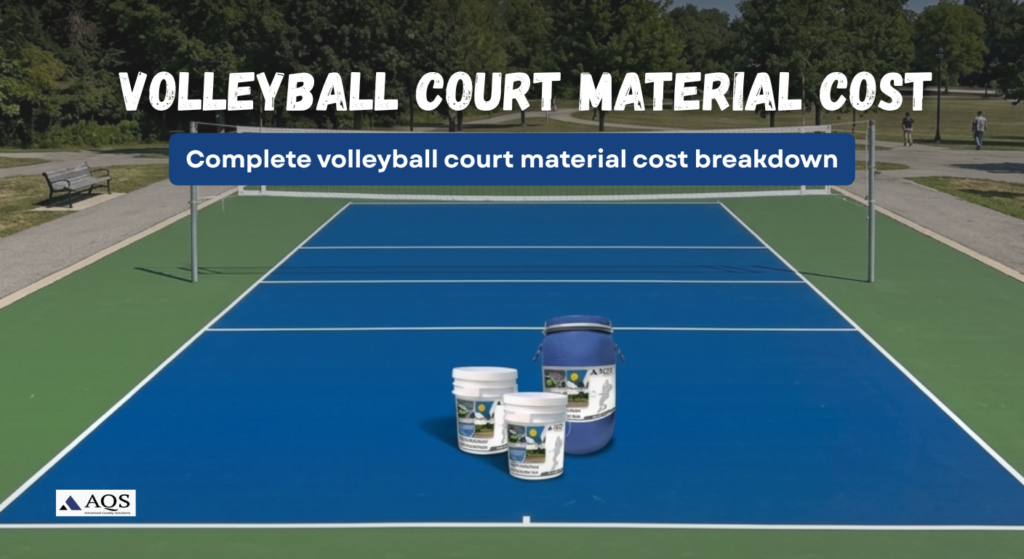
Case Study: School Volleyball Court Installation in Gurgaon
Project Overview and Requirements
Delhi Public School Gurgaon required outdoor volleyball court renovation for 350 students. The institution selected synthetic rubber material for durability and safety. Budget allocation was ₹2,50,000 for complete installation.
Existing concrete base required assessment before material installation. Ground level variations needed professional leveling by the contractor.
Installation Process and Timeline
The project commenced with comprehensive site evaluation in January 2026. Ground preparation consumed 4 days using leveling equipment. Material delivery arrived on schedule despite monsoon season challenges.
Installation teams completed surface application within 5 days. Line markings and net installation finalized in 2 additional days. Project completion occurred within budgeted timeline and expense limits.
Results and Cost Efficiency
Total project cost reached ₹2,45,000, staying within budget parameters. Synthetic material selection reduced maintenance expenses by 40% annually. The court accommodated 8 simultaneous matches during peak hours.
Students reported improved playing comfort on the new surface. The institution saved ₹30,000 in annual maintenance compared to the previous wooden court. Project ROI materialized within 18 months of operation.
Key Learnings from This Implementation
Professional site survey prevented unexpected expenses during installation. Material quality selection directly impacted long-term cost efficiency. Contractor selection based on previous experience ensured project success.
The institution recommends synthetic materials for school volleyball courts. Budget allocation of ₹2-3 lakhs suits most Indian educational institutions effectively.
Annual Maintenance and Long-term Cost Implications
Wooden Court Maintenance Requirements
Wooden courts demand monthly maintenance costing ₹8,000-₹15,000 annually. Professional polishing every 6 months preserves surface quality. Humidity control systems cost ₹2,000-₹5,000 monthly in monsoon seasons.
Refinishing required every 3-5 years adds ₹1,50,000-₹2,50,000. Long-term ownership requires substantial financial commitment. Professional maintenance teams handle specialized care requirements.
Synthetic Material Maintenance
Synthetic courts require basic cleaning costing ₹2,000-₹5,000 monthly. Annual maintenance expenses range ₹25,000-₹50,000 for quality upkeep. Resealing every 3 years costs ₹30,000-₹60,000.
Synthetic options prove more economical for long-term operation. Durability of 8-12 years justifies initial investment significantly. Schools prefer these materials for budget-conscious facility management.
Acrylic Court Maintenance
Acrylic surfaces require ₹1,500-₹3,000 monthly cleaning expenses. Annual recoating becomes necessary every 2-3 years. Recoating costs ₹20,000-₹40,000 per application.
Budget constraints make acrylic courts appealing initially. However, maintenance needs reduce long-term cost advantages. Professional assessment determines when replacement becomes necessary.
Quality Standards and Certifications for Indian Courts
International Standards Compliance
FIVB regulations determine professional court specifications globally. Indian courts must follow standard dimensions of 18m × 9m. Material specifications require shock absorption within defined parameters.
Professional certifications guarantee player safety standards. Indian facilities maintaining FIVB standards attract tournament hosting opportunities. Compliance ensures international match legitimacy.
Indian Sports Authority Guidelines
SAI (Sports Authority of India) provides standard specifications. Courts must meet shock absorption coefficients of 0.4-0.6. Vertical deformation parameters require testing before official certification.
Materials undergo quality testing by authorized laboratories. Certifications cost ₹10,000-₹25,000 but ensure institutional credibility. Official approvals enable tournament hosting licenses.
Budget-Friendly Tips for Volleyball Court Installation
Phased Installation Approach
Institutions can implement courts in phases to spread expenses. Initial base preparation costs less than complete installation upfront. Phased approach reduces immediate financial burden significantly.
Delaying finishing touches by 6 months reduces immediate expenses. Institutions can upgrade materials later when budgets improve. This strategy suits educational facilities with limited funding.
Material Selection Optimization
Comparing multiple suppliers reduces material costs by 10-15% typically. Bulk purchasing options available through government tender processes. Institutional procurement policies enable better negotiation leverage.
Local material suppliers often provide competitive advantages. Regional manufacturing reduces transportation expenses. Selection of readily available materials accelerates delivery timelines.
Labor Cost Management
Hiring local contractors reduces labor expenses significantly. Group projects enable better contract negotiations. Community-based installation efforts minimize professional labor charges.
Training local workers reduces future maintenance expenses. Skilled workforce development benefits institutional operations long-term. This approach supports local employment generation.
Environmental Considerations and Sustainable Options
Eco-Friendly Material Alternatives
Recycled rubber materials reduce environmental impact significantly. These sustainable options cost 15-20% less than virgin materials. Environmental certifications add credibility to institutions.
Biodegradable protective coatings protect underlying structures. Water-based sealants reduce chemical pollution concerns. Sustainable choices appeal to environmentally conscious educational institutions.
Durability as Environmental Responsibility
Longer-lasting materials reduce replacement frequency and waste. Quality installations prevent premature deterioration. Proper maintenance extends material lifespan substantially.
Institutional commitment to sustainability attracts funding opportunities. Government grants support eco-friendly sports facility projects. Environmental responsibility aligns with corporate social responsibility initiatives.
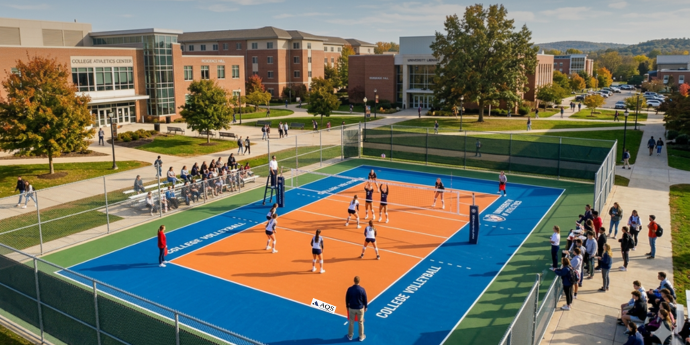
Upgrade Your Sports Court Today
Get premium synthetic acrylic flooring designed for durability, grip, and performance.
Get Free ConsultationFuture Trends in Indian Volleyball Court Materials
Technological Advancements
Smart court systems monitor player performance and surface conditions. IoT-enabled courts collect performance data automatically. Technology integration increases costs by 20-30% currently.
Artificial intelligence optimizes maintenance schedules based on usage patterns. Predictive maintenance reduces unexpected repair expenses. Technology adoption accelerates in premium Indian institutions.
Material Innovation in 2026
Advanced polymer surfaces combine performance with sustainability. New materials reduce installation time by 40% compared to traditional options. Innovation drives cost reduction through production efficiency.
Modular court systems enable customization for various sports simultaneously. Flexibility attracts multi-purpose facility investments. Future materials prioritize adaptability and longevity.
Conclusion
Volleyball court material selection demands careful consideration of budget, durability, and performance requirements. Indian facilities access diverse options from ₹75,000 to ₹5,50,000. Professional guidance ensures optimal material selection for institutional needs.
Base preparation, installation quality, and maintenance planning determine long-term cost-effectiveness. Schools should prioritize synthetic materials for value. Professional venues benefit from wooden court investments.
Regional variations provide opportunities for budget optimization across India. Environmental sustainability increasingly influences material selection decisions. Informed choices maximize institutional investment returns significantly.
Professional consultation before installation prevents costly mistakes. Quality certifications ensure legal compliance and tournament eligibility. Comprehensive planning transforms volleyball court projects into successful institutional investments.
Frequently Asked Questions
Average installation costs range from ₹1,40,000 to ₹5,75,000 depending on selected material and location.
Installation timelines vary from 1-2 days for portable systems to 7-10 days for wooden courts.
Synthetic rubber materials provide optimal balance of durability, cost-effectiveness, and safety for educational institutions.
Annual maintenance expenses range from ₹25,000 for synthetic courts to ₹1,50,000 for professional wooden courts.
Yes, professional courts need FIVB compliance certification and SAI approval for tournament hosting eligibility.
Portable systems meet professional standards but serve temporary venues better than permanent facilities.